
Customer journey mapping is a powerful approach for improving customer experiences, but a lot of organisations focus too much on the process of mapping itself rather than making sure it leads to real change.
At The CX Academy’s thought leadership webinar ‘Customer Journey Mapping: Avoiding the Common Pitfalls and Setting Yourself Up for Success’, Susannah Hewson, Business Transformation CX Lead at AXA, shared her perspective on four important areas that businesses must focus on to make customer journey mapping a success. She discussed common pitfalls, the importance of balancing energy, and why CX professionals must think like detectives and psychologists to drive meaningful impact.
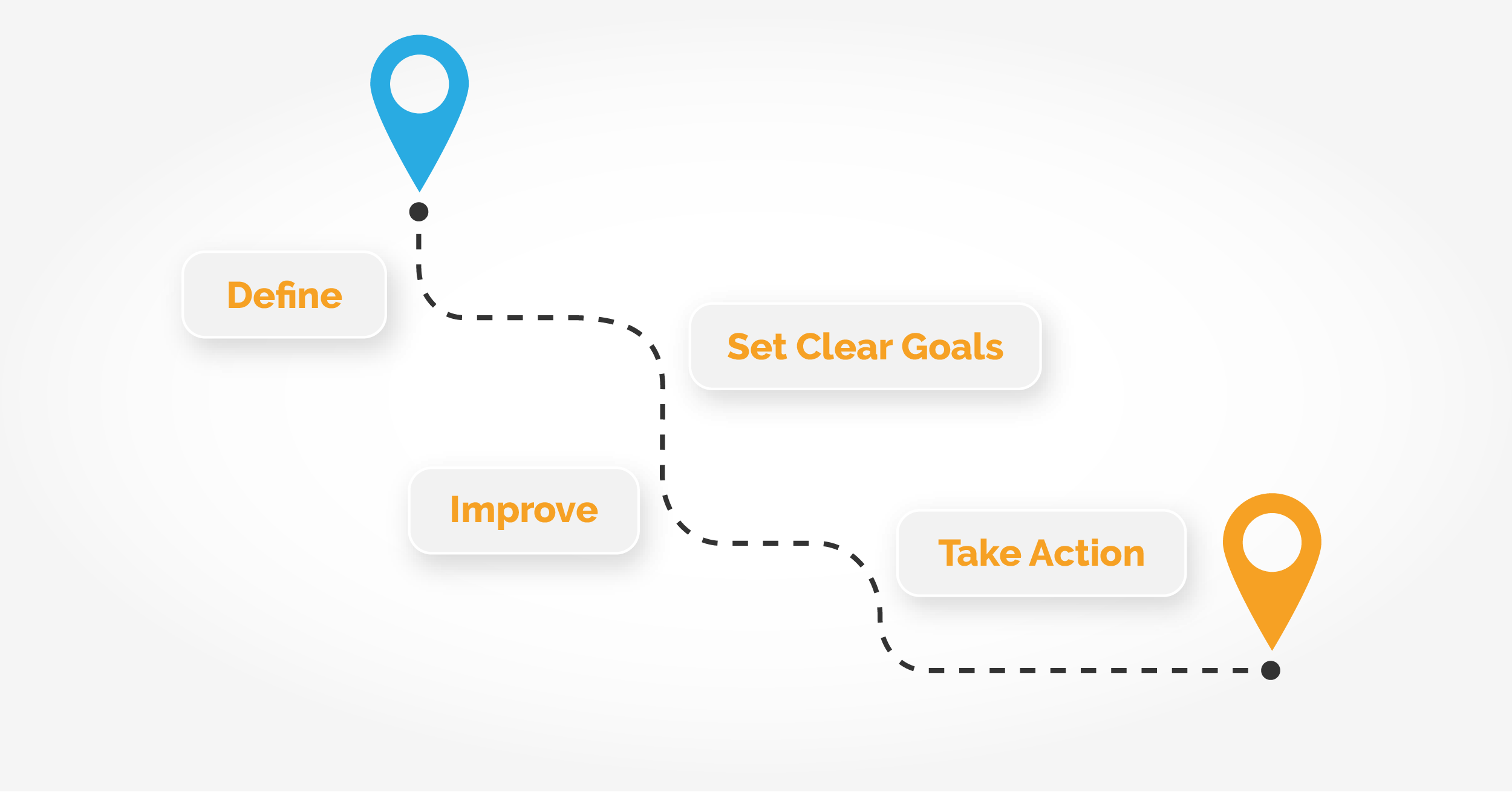
Define the Customer Experience for Your Organisation
Before organisations begin journey mapping, they should be clear on what they want to achieve from it. Without this, it’s difficult to see if the journey delivers the intended experience.
Businesses should define what they want their customers to think about the brand. How they want their customers to feel throughout their journey and what actions they would like their customers to take as a result of their experience. This makes sure that the customer mapping process has purpose and direction.
Journey mapping should go beyond identifying pain points. It must also look at areas where the experience is forgettable and where improvements could make interactions more memorable for customers. Without a clear CX identity, organisations risk creating maps that offer insight but don’t result in any great change.

Set Clear Goals: Align Purpose with Action
Before an organisation begins their customer journey mapping, they must be clear about their purpose. Having a clear purpose makes it easier to turn insights into meaningful improvements rather than just an interesting exercise.
Some businesses use journey mapping to gain more of an understanding of the customer experience, while others focus on identifying and addressing specific pain points. Sometimes, the goal is to improve poor customer scores or to build a business case for investment in CX improvements. Other times, it may be a way to align teams and create awareness across the organisation.
When these objectives are clearly defined from the start, it becomes easier to secure stakeholder buy-in. Engaging key decision-makers early ensures that journey mapping leads to action rather than just observation. Getting the right people involved from the start helps create accountability and commitment, making meaningful changes more likely to happen.
Knowing what success looks like helps set the right expectations. When everyone is on the same page about the purpose and goals, it’s easier to stay focused on taking action and keeping up the momentum.

Improving the Mapping Process
Many organisations focus too much on the functional steps of the journey and overlook the emotional and behavioural aspects that shape customer decisions. Understanding how customers feel at each stage is just as important as tracking their actions.
Rather than relying on assumptions, businesses need to analyse real customer feedback and behavioural data. Customer interviews, frontline staff insights, and behavioural patterns can reveal the true motivations behind customer actions. If customers frequently abandon a process, it is not enough to note the drop-off point. Businesses must dig deeper to understand why.
By approaching journey mapping with an investigative mindset, organisations can move beyond surface-level fixes and design experiences that align with natural customer behaviours. This shift helps make improvements rooted in real needs rather than internal assumptions.
Take Action: Avoid Losing Momentum
One of the most common pitfalls in customer journey mapping is not taking action on the insights gathered. A lot of businesses put all their effort into creating beautiful, detailed customer journey maps but lose momentum when trying to embed the map actions into meaningful change within the organisation. Too often maps end up on a wall in the boardroom but no one has the energy to embed it.
To prevent this, organisations should identify clear ownership of the embedding steps and make sure a new energetic team is aligned at the implementation stage once the mapping work is done. We recommend you put in place a new customer journey mapping team to add new energy to the embedding stage which should not be confined to a single department. Collaboration across teams is essential. Rather than waiting for large-scale transformations, companies should prioritise small, impactful changes that can be executed quickly. Defining success metrics and regularly reviewing progress will help maintain momentum.
Companies frequently face complex challenges like outdated systems or inefficiencies. Although tackling these problems is important, concentrating on practical improvements enables quick progress and helps maintain momentum in the process.
Final Thoughts
Customer journey mapping is only valuable if it leads to action. Without having clear objectives, emotional insights, and a commitment to follow through, it risks becoming an exercise rather than a source of real business improvements.
At The CX Academy, we believe that successful customer journey mapping requires a clear CX identity from the start, with well-defined purpose and goals, a focus on customer emotions rather than just functional steps, and a commitment to turning insights into real action.
Is your organisation successfully integrating customer journey mapping into its CX strategy? How do you ensure it leads to real change?
Watch Susannah Hewson explore this topic further in our thought leadership webinar below.